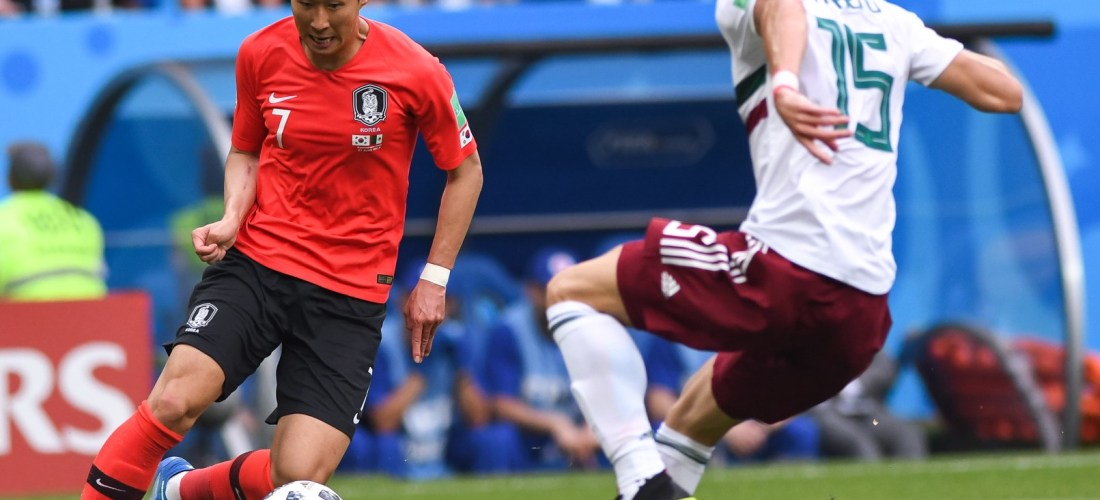
Son Heung-min, South Korea’s masked man at the 2022 World Cup, is a rare oddity. He is the offensive talisman of a country that has made its reputation on grinding, defensive soccer. He’s not only the best player from Korea, he’s the best player to ever come out of Asia.
Son’s rise as a generational offensive wizard was a nearly impossible journey. He did not start playing organized soccer until the age of 14, instead toiling over a ball with his father, doing the same routine day after day as a child.
It was this choice to avoid an often rigid, results-focused system that may have allowed him to later thrive.
The Unlikely Creative Genius
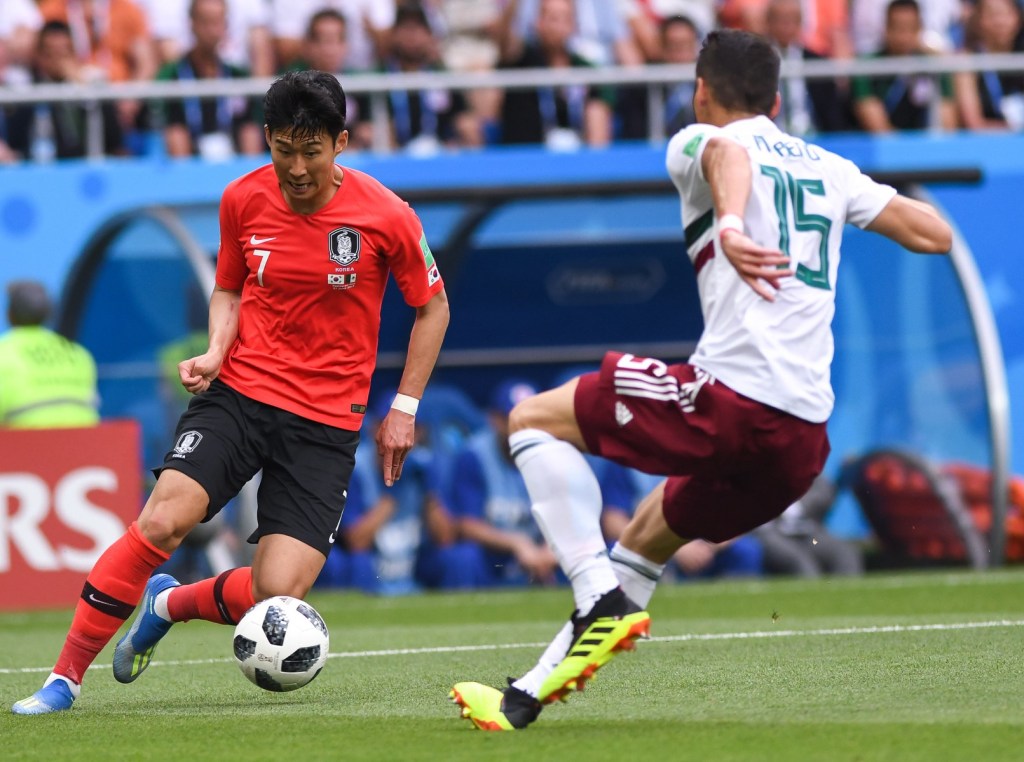
Son has been described as an artist with the ball. He prefers using his left foot and has a flair to finish plays that has seen him compared to player’s from South America. His skill set is unlike most players that have emerged from Asia.
Son is lauded for his touch with the ball and ability with his left foot. He’s a versatile attacker that can be placed in a variety of positions. He is a world class option from the left wing playing along side Harry Kane at Tottenham.
The website FourFourTwo described his unique arrival in top European soccer: “He’s certainly the most dynamic footballer the region has produced and, over time, has also proven himself to be the most destructive … he wasn’t sought out for his neat skill or his industriousness. None of those antiquated cliches applied to him.”
His offensive prowess kept growing the more he established himself in his career. He’s the prototypical late bloomer. He tied Mohamed Salah for the Premier League’s Golden Boot award, leading the league with 23 goals just before he turned 30.
A Focus on Mastery
Son Heung-min grew up in Chuncheon, a small city in the mountains east of Seoul. His father, Woong-jung, was a former soccer player that reached as high as the Korean national B team. However, due to injury, the elder Son was forced to retire at age 28.
It was his father’s treatment by the soccer system that would leave the largest lasting impression on the family. Woong-jung had a biting distrust in a system that prioritized winning over skill development and showed favoritism to players on more prestigious, successful teams. As a result, he largely kept his two boys away from the soccer pitch while they were young.
Heung-min was in the third grade when he asked his father to teach him the game. In a scene explained in Son’s autobiography, Woong-jung, an intense and deeply focused man, denied his son’s request at first. He tried to warn the boy off saying it would be difficult and require a life-altering amount of effort.
The father finally relented when it was clear Heung-min wouldn’t take no for an answer. Thus, the Son family began years of building their craft with a relentless goal of mastering ball control.
Heung-min, his older brother, and father would follow the same routine every day. After school, the three would train together for two hours. It always followed the same format. First, they would do ball lifting, or keep-it-up. A routine that would take about 40 minutes to complete when Heung-min was a beginner. Then they moved on to a figure 8 dribbling drill. They rotated through with both feet, using the inside and outside of the sole.
This daily practice plan was all they worked on for seven years. Seven straight years Heung-min was challenged to master these skills through boredom, sickness, and wanting for advancement.
“There were three reasons why I was able to withstand this kind of repetitive training,” Son wrote in his autobiography. “First, soccer was so fun. Second, my father was so scary that I didn’t dare say that I was bored. Third, we had reached the point that I thought ‘I guess I’ll do it because I need it.’”
A Rebel with a Cause
The personal coaching that Woong-jung gave his son Heung-min came from a place of love. He saw it as his job as a protective parent to keep his children away from the soccer system that mistreated him as a young man.
“Korea’s football system is obsessed with winning… so kids are exhausted from a young age,” Woong-jung told AFP. Woong-jung believed his career as a player was cut short due to overtraining as a child.
The Korean soccer system has traditionally focused on year-round, sport-specific training that lasts hours every day. Players in sports-streamed public schools often will practice during the day instead of attending classes with their peers. The end goal is earning a sports scholarship to a university without having to compete in a fiercely academic country.
For this reason, Woong-jung didn’t allow a talented Heung-min to join a team until he was 14 years old. He only allowed Heung-min to move to an official program when he thought he’d mastered the fundamentals. As most of his peers were playing 11-on-11 games, Son had been training his ball control under the watchful eye of a personal coach.
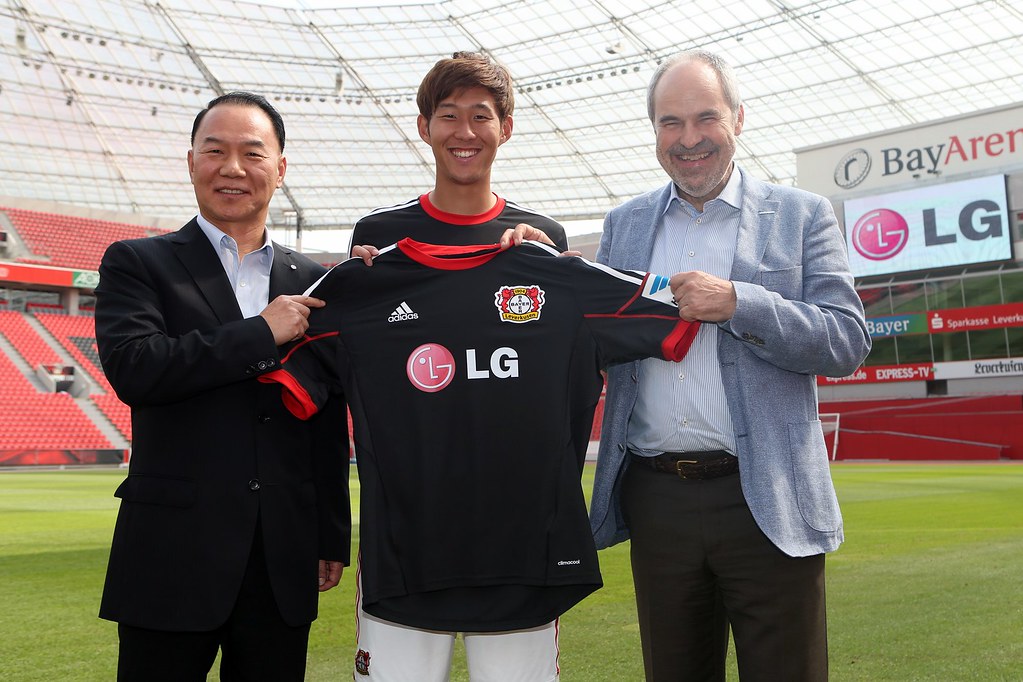
Heung-min’s move to organized football was the start of a quick and prodigious ascent. He spent one year in a middle school program, then moved to Seoul FC’s academy before a visiting scout from Germany recognized his talent.
By the age of 16, with less than a few years of club soccer under his belt, Heung-min was training in one of Europe’s great development hotbeds.
The Seeds of Creativity
German academic Daniel Memmert is the foremost expert on studying creativity in sports. To develop creativity in a sport like soccer, Memmert describes ‘6 D’s’ that contribute to the development of an original, unpredictable player:
- Deliberate Play
- One-dimension games
- Diversification
- Deliberate Coaching
- Deliberate Motivation
- Deliberate Practice
Son Heung-min’s upbringing separated from organized soccer presents an interesting case for the development of his tactical creativity, or divergent thinking.
Son spent hours with his father in deliberate practice, actively trying to master the touch he had on the ball. Son is especially dangerous handling the ball from the wing in top professional play, cutting side-to-side laterally with complete control of the ball, an action that mimics the figure 8 drill perfectly.
Though he spent his pre-practice years playing informal soccer games at school with friends, he spent little time in unstructured deliberate play, which allows players to experiment with new skills in a low stress environment. He also did not play many other sports, limiting his diversification, and had limited practice time in other drills or one-dimensional games.
However, deliberate coaching and deliberate motivation could be what drove his creative blossoming.
Deliberate coaching sees coaches intervene less during practicing game-like situations in training. Coaches that interfere too heavily with player decision-making unwittingly cause a phenomenon called ‘inattentional blindness,’ which causes players to find less original solutions on the field. The fact that Son didn’t play organized soccer as a child may have kept his mind more free from structured thinking and more of a blank slate when he reached Germany.
Deliberate motivation works along the same lines. Coaches that promote creativity ensure that players are rewarded for seeking new and novel options. Woong-jung traveled to Germany with Heung-min and was known to conduct in-depth film sessions with him. The freedom of playing in a more progressive system with a private coach that constantly reinforced creative tactical solutions was a significant advantage he leveraged as a teen and young adult.
An Original
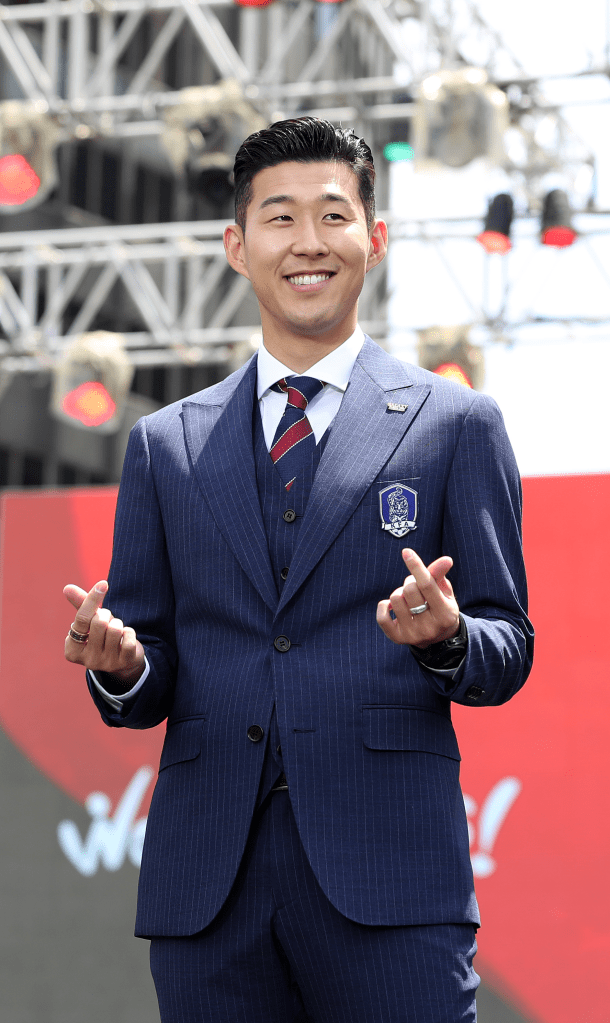
No matter Korea’s result at this year’s World Cup, Son has already inspired a generation of young athletes with his flair with the ball and effectiveness on the field. He represents the biggest breakthrough star that the country has produced in any sport.
His father now operates the SON Football Academy in Chuncheon, which uses the same principles of mastery that he used with his children. Players in the academy work almost exclusively on developing touch with the ball.
The large question remains is whether the Korean soccer system can produce more players like Son without the need for rebellion. The drive to win and gain a short-term advantage may continue to be a blinding factor for years to come.
Stay tuned for more in a series of blogs focused on creativity in soccer during the 2022 World Cup.
 Joel Cressman
Hey Joel, Coach Cahill and I are trying to get in touch with you! Try Kcain22@yahoo.com and check out campsuccess.net
LikeLike