I stumbled upon the culture of specialists years ago while working on a research project at work.
I was researching the top 100 golfers in the world. My task was to examine the current best players in the world and find the age they made the tour, then the age they won their first event.
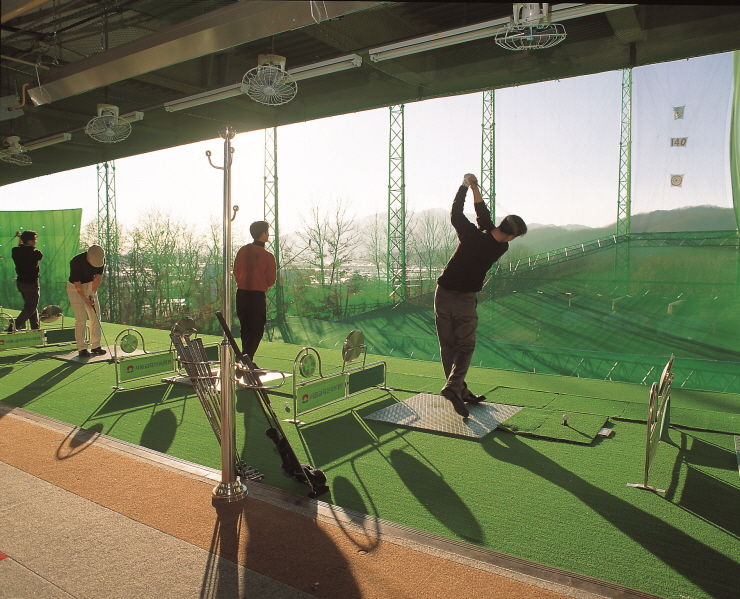
The female side was particularly unusual. It was dominated by South Korea. The country was a super feeder for women’s golf talent, but had few golf courses and little history of golfing. Something different was happening there.
I dug into books like The Talent Code and The Gold Mine Effect to see what was going on. I found that most young golfers, without any experience, were diving into the sport with intensity. It immediately became their life’s focus. They became specialized golfers.
The books provided some answers on training, but the why was still left unanswered. Yes, these young women trained hard, but why were they dedicating their lives to golf?
A Contradiction
South Korea later became a part of my life when I moved there to teach. I started to get a first hand look at the culture that created these laser-focused, highly skilled athletes.
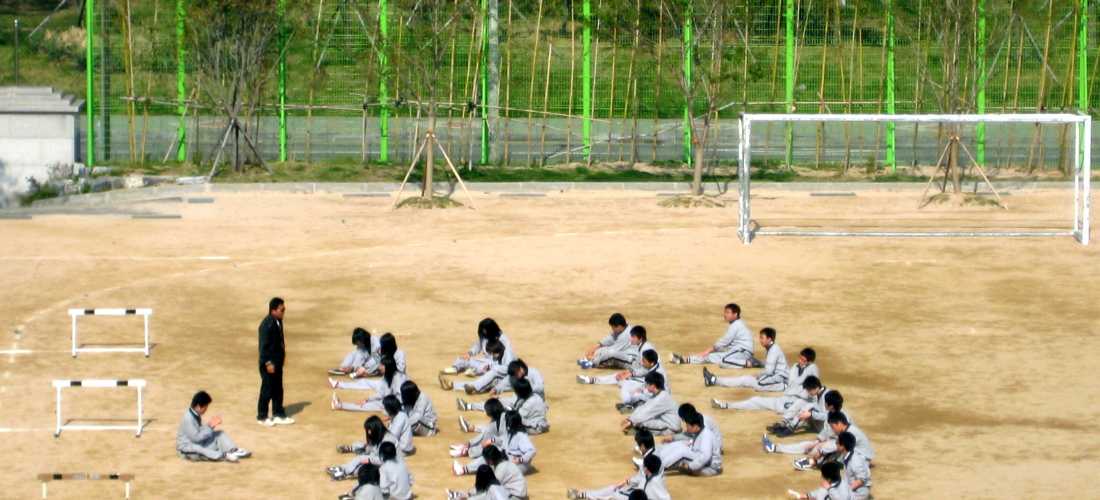
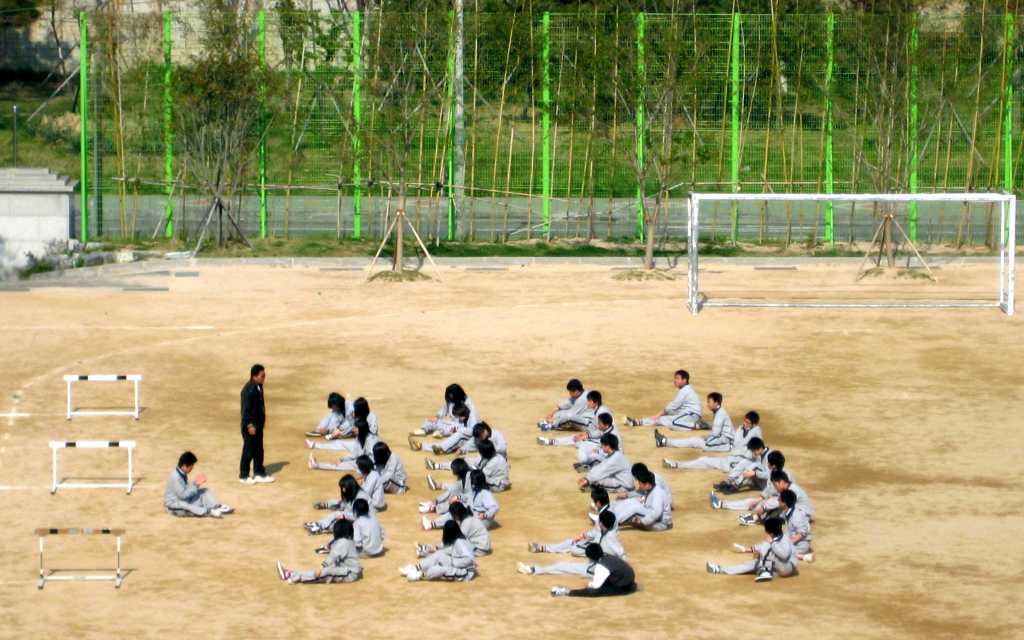
I was the PE teacher and Athletic Director at a small private school outside of Seoul. The first thing that blew me away was the level of motor skills of my students.
Many young people were years behind in their skills. I was often working on basic throwing and catching. It was a struggle for some to serve a badminton birdie because their coordination was so limited. I’d have to adapt elementary focused lessons for high school.
I also faced an odd resistance getting students involved in after-school sports. New students and parents coming from the public school system were often confused by the system.
It was new to them that I was trying to get students to play volleyball, basketball, or soccer for just the season. There was a lot of hesitation that it would interfere with their studying.
Why was this all happening?
My curiosity overtook me. I started diving into the history and science of skill development. All the free time of the pandemic put me into overdrive. It resulted in the manuscript of a book.
Here’s the story of how Korea turned into one of the most specialized nations in the world.
The Cold War Politics That Created Specialization
Sport specialization is year-round training in one particular sport for young athletes. The concern is not older teens and adults focusing on one area: it is children. Particularly children that have not reached adolescence yet.
Single-sport specialization began in Eastern Europe during the height of the Cold War. As the ideological battle between communism and capitalism raged, countries like the Soviet Union and East Germany used sport as a battleground for soft power in international events.
Communist nations first targeted gymnastics, swimming and diving. They would go into elementary schools to select young talents then pull them into national programs.1
The success of these programs lead to more early identification programs across the world. One country that was a disciple was South Korea.
“Specialization in a single sport leads to success for few and physical inactivity for many.”1
Sport in South Korea – very understandably – was in shambles following the Korean War. South Korea was one of the poorest nations in the world and was in survival mode.
Things began to shift when General Park Chung-hee seized power in the 1960s. Park, an authoritarian leader that focused on nation-building over human rights, first wanted to use sport to improve physique and public morale. However, the Park regime silently began to admire what the Soviets and East Germans were doing.2
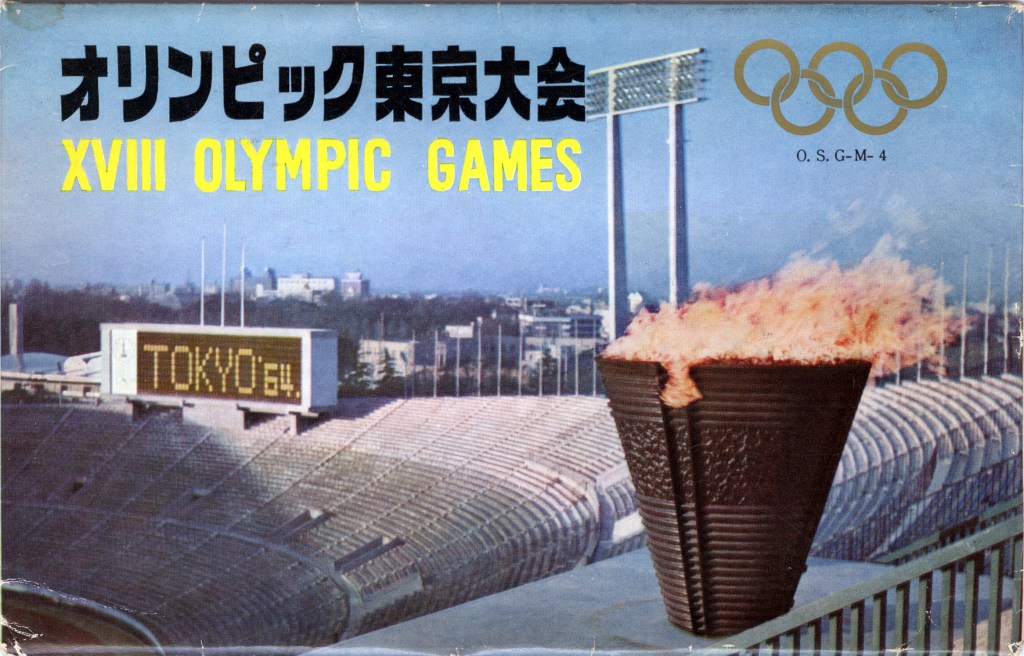
The 1964 Tokyo Olympics were the turning point. South Korea sent 165 athletes to Tokyo and brought home only two silver and one bronze medal. The Park regime considered it a national embarrassment. Regional foes in former colonizer Japan and ideological opposite North Korea were pulling ahead. Something had to change.
Park’s regime then pulled a covert paradoxical move: The fiercely capitalist nation went to communist nations for ideas.2
The Athletic Specialist System
Schools became the heart of how the Korean government planned to win more medals on the international stage.
The Athletic Specialist System was a program developed in 1972. It aimed to develop young athletes by having them focus on their sports for long and intense hours. Athletes often lived in dorms on campus and bypassed school work to focus on practicing.
The specialist system first caused a wedge between athletes and studying. In the famously competitive academic atmosphere of Korea, it created one ingenious rule: Athletes could gain entrance to university on winning in their sport, without factoring in any academic results.
The Athletic Specialist System created a division between sports and the regular student. It now defines development.
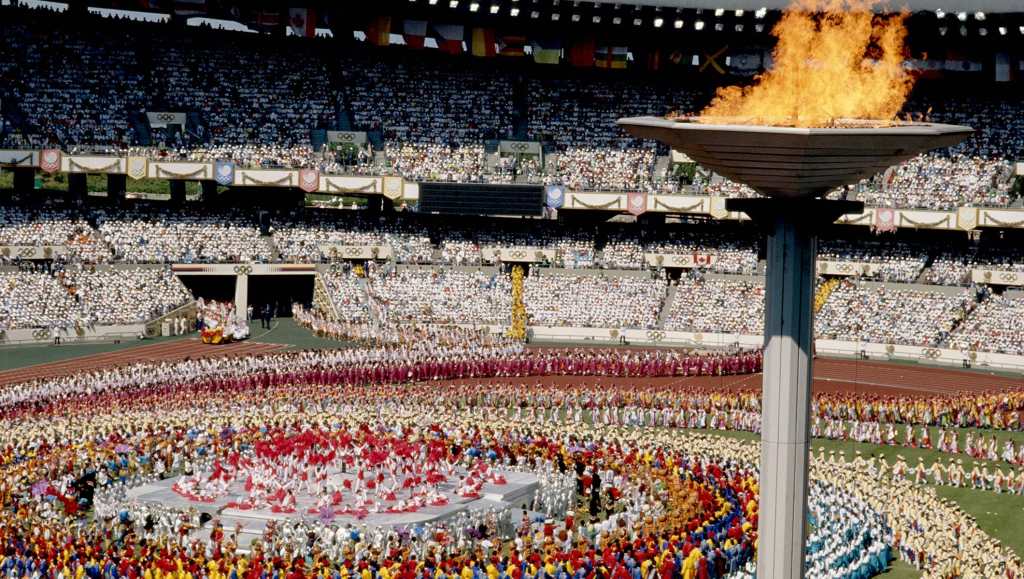
This system went into overdrive ahead of the 1988 Seoul Olympic Games. The authoritarian regime, now led by President Chun Duh-hwan, wanted to use the Olympics as Korea’s arrival party to the world stage. Gold medals were key to this.
Physical Education high schools were created to focus on less popular sports. Sports like judo, shooting, and wrestling were targeted to give athletes a realistic shot at success.2
This is how sports developed for years. They became a one-track focus that was pursued at all cost. Athletes literally lived and breathed their sports. Winning was heavily incentivized.
A Preview for the World
Sport specialization is the ultimate short-term thinking.
It is ineffective for overall motor skill development and unhealthy at its worst. Specializing in one area, like only playing golf for your entire youth, stunts your skill learning. Since you are only focusing on one movement, you don’t learn how to move efficiently in other areas.
Even worse, specialized young athletes are at risk of more soft tissue injuries, nutritional disorders, and burnout. Specializing can even cause heart problems in young people.1
We are faced with a worldwide conundrum now: An increased number of parents and children around the world are now specializing because they believe it is the key to success. Families are motivated by prestigious university scholarships and lucrative pro contracts.
Why? They are concerned about falling behind. Success is a powerful driver. While Western countries are arriving at this idea now, Korea has been here for years. The result: the success of few, the inactivity of many.
Sources:
1) Mostafavifar, A.M., Best, T.M., & Myer, G.D. (2012, December 12). Early sport specialization, does it lead to long-term problems? British Journal of Sports Medicine, 0, 1-2. Retrieved from https://pdfs.semanticscholar.org/461f/1eb58d368588976206936863f615b11cc836.pdf.
2) Park, J.W. (2011, Feb.). Elite sport development in South Korea: An analysis of policy change in the sports of athletics, archery and baseball (Doctoral thesis). Loughborough University, Loughborough, UK.
 Joel Cressman